
Pre-Engineered Buildings
Pre-Engineered Buildings have gained immense popularity in recent years due to their versatility, cost-effectiveness, and rapid construction timelines. These structures are specifically designed using a combination of standard components and custom engineering to meet various industrial, commercial, and residential needs. Unlike traditional buildings, Pre-Engineered Buildings offer a highly efficient method of construction, reducing labor costs and project duration while ensuring structural integrity and durability. They are fabricated in controlled environments, which minimizes the risk of construction errors and ensures consistent quality.
One of the primary uses of Pre-Engineered Buildings is in industrial applications. Factories, warehouses, and manufacturing units benefit significantly from these buildings because they can be tailored to accommodate large open spaces without internal columns. This open design allows for flexible layouts, easy installation of machinery, and smooth material handling processes. Companies can expand their facilities in the future without significant structural alterations, making Pre-Engineered Buildings a scalable solution for growing industries. Moreover, these buildings are engineered to withstand heavy loads and harsh environmental conditions, providing long-term durability.
Commercial enterprises also extensively use Pre-Engineered buildings. Retail outlets, shopping complexes, and showrooms find these structures ideal because of their aesthetic flexibility and quick construction timelines. The exterior of Pre-Engineered Buildings can be customized with different finishes, colors, and designs to match the brand identity of businesses. Additionally, the wide span and open floor plans make these buildings perfect for accommodating large crowds and flexible interiors, which can be adjusted as per business requirements. With energy-efficient roofing and insulation options, these buildings also help businesses reduce operational costs while maintaining a comfortable indoor environment.
Agricultural applications represent another significant use of Pre-Engineered Buildings. Farmers and agricultural enterprises utilize these buildings for storage of crops, machinery, and livestock. The strong and weather-resistant structure protects valuable resources from environmental factors such as heavy rain, snow, or strong winds. Pre-Engineered Buildings used in agriculture can also be equipped with proper ventilation systems to maintain optimal storage conditions for produce or ensure the well-being of livestock. Because of their modular nature, these buildings can be quickly erected and expanded, which is essential for seasonal agricultural demands.
Pre-Engineered Buildings are increasingly chosen for institutional purposes, including schools, hospitals, and community centers. Educational institutions benefit from the flexibility of classrooms, laboratories, and administrative spaces without the constraints of traditional construction methods. Hospitals and healthcare facilities can also utilize these buildings for modular units, emergency wards, or temporary facilities during expansions or renovations. The adaptability of Pre-Engineered Buildings allows institutions to meet specific space and design requirements while keeping construction costs and timelines manageable. Furthermore, these buildings provide enhanced safety features, which are crucial in public or high-traffic areas.
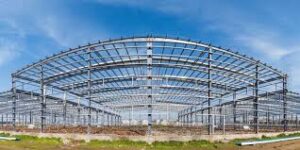
What are Pre-Engineered Buildings used for?
Transportation and logistics sectors also make significant use of Pre-Engineered Buildings. Airports, bus depots, and railway stations often require large, open-span structures that can accommodate vehicles, passengers, and storage needs. Pre-Engineered Buildings offer an ideal solution because they can be quickly constructed, easily maintained, and designed to handle significant structural loads. The flexibility of the design allows integration of modern architectural elements, energy-efficient systems, and advanced security features, making them suitable for high-traffic and complex operational environments.
Another advantage that drives the widespread use of Pre-Engineered Buildings is their environmental sustainability. Many modern Pre-Engineered Buildings use recyclable steel components, energy-efficient insulation, and sustainable construction practices. This eco-friendly approach reduces the carbon footprint of construction projects while promoting long-term sustainability. Industries and businesses looking to adopt green building practices often prefer Pre-Engineered Buildings because of their reduced material wastage, efficient energy usage, and potential for LEED or other environmental certifications.
In addition to commercial, industrial, agricultural, and institutional uses, Pre-Engineered Buildings are increasingly popular for residential applications. Large homes, apartment complexes, and community living projects benefit from the quick construction, flexibility, and cost savings offered by these buildings. Homeowners can enjoy durable structures that are resistant to extreme weather while also allowing customization to match their aesthetic preferences. The modular design of Pre-Engineered Buildings also facilitates easy future modifications or expansions, offering a long-term solution for growing families or changing residential needs.
The use of Pre-Engineered Buildings continues to expand across various sectors due to their unmatched efficiency, flexibility, and cost-effectiveness. They provide practical solutions to modern construction challenges, enabling rapid project completion without compromising on quality or structural safety. Whether it is an industrial warehouse, a commercial showroom, an agricultural storage unit, or a residential complex, Pre-Engineered Buildings offer reliable, scalable, and sustainable construction options. Their adaptability, combined with modern engineering techniques, ensures that these structures meet the diverse requirements of contemporary society while remaining economically viable.
Overall, Pre-Engineered Buildings have transformed the construction landscape by providing an innovative alternative to conventional building methods. With applications spanning industrial, commercial, agricultural, institutional, transportation, and residential sectors, these buildings continue to be a preferred choice for those seeking efficiency, durability, and flexibility. The ongoing advancements in engineering, design, and sustainability practices further enhance the value and functionality of Pre-Engineered Buildings, making them a cornerstone of modern construction projects.