
surface finish options for die casting parts
The intrinsic nature of die casting produces parts with excellent as-cast surface finishes, often smoother than those achieved with other casting methods. However, the true versatility and functionality of die casting parts are often unlocked through a diverse array of post-casting surface finish options. These treatments enhance aesthetic appeal, improve corrosion resistance, increase hardness, and prepare the parts for further assembly or direct use. Selecting the appropriate finish is crucial, depending on the application’s environmental exposure, wear requirements, and cosmetic demands.
One of the most common surface finish options is vibratory finishing or tumbling. This mechanical process involves placing die casting parts in a vibratory or rotary tumbler with abrasive media and a liquid compound. The continuous rubbing action deburrs the parts, smooths rough edges, and creates a uniform matte or semi-bright finish. It’s a cost-effective method ideal for preparing parts for subsequent treatments or for applications where a non-reflective, consistent appearance is desired for the die casting parts.
Another widely used method is shot blasting or bead blasting. This process propels abrasive media (such as glass beads, steel shot, or grit) at high velocity onto the surface of the die casting parts. Shot blasting effectively removes scale, provides a clean surface, and creates a uniform textured finish, which can range from a fine matte to a more aggressive peened look. It also introduces compressive stress on the surface, which can improve fatigue resistance, making it suitable for structural die casting parts.
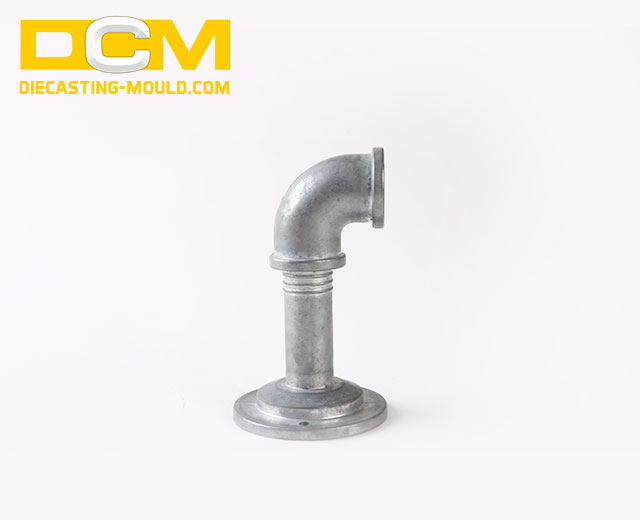
What are the surface finish options for die casting parts?
For enhanced corrosion protection and aesthetic appeal, plating and coating options are popular. Electroplating, for instance, applies a thin layer of metal (like nickel, chrome, or zinc) onto the die casting parts, offering superior wear resistance, hardness, and a decorative finish. Powder coating, on the other hand, involves applying a dry powder that is then cured under heat to form a hard, protective layer. This provides excellent resistance to chipping, scratching, and fading, and is available in a vast array of colors, making it ideal for visible die casting parts like an oem die casting alloy led solar lamp shade, where durability and visual appeal are paramount for outdoor exposure.
Anodizing is a particularly effective surface treatment for aluminum die casting parts. This electrochemical process creates a protective oxide layer on the surface, significantly increasing corrosion resistance and hardness. Anodizing can also be dyed to achieve various colors, providing both functional and aesthetic benefits. It’s a preferred finish for die casting parts that require a durable, non-conductive, and visually appealing surface, such as electronic enclosures or consumer goods components.
Beyond these common methods, other specialized finishes include e-coating (electrophoretic deposition for uniform, thin films), painting for specific color matching, and various types of chemical conversion coatings that provide a base for further painting or offer light corrosion protection. The choice of surface finish for die casting parts is a critical design decision, influencing not only the part’s appearance but also its performance, lifespan, and overall value. A well-chosen finish can transform a functional component into a high-performance, aesthetically pleasing product.